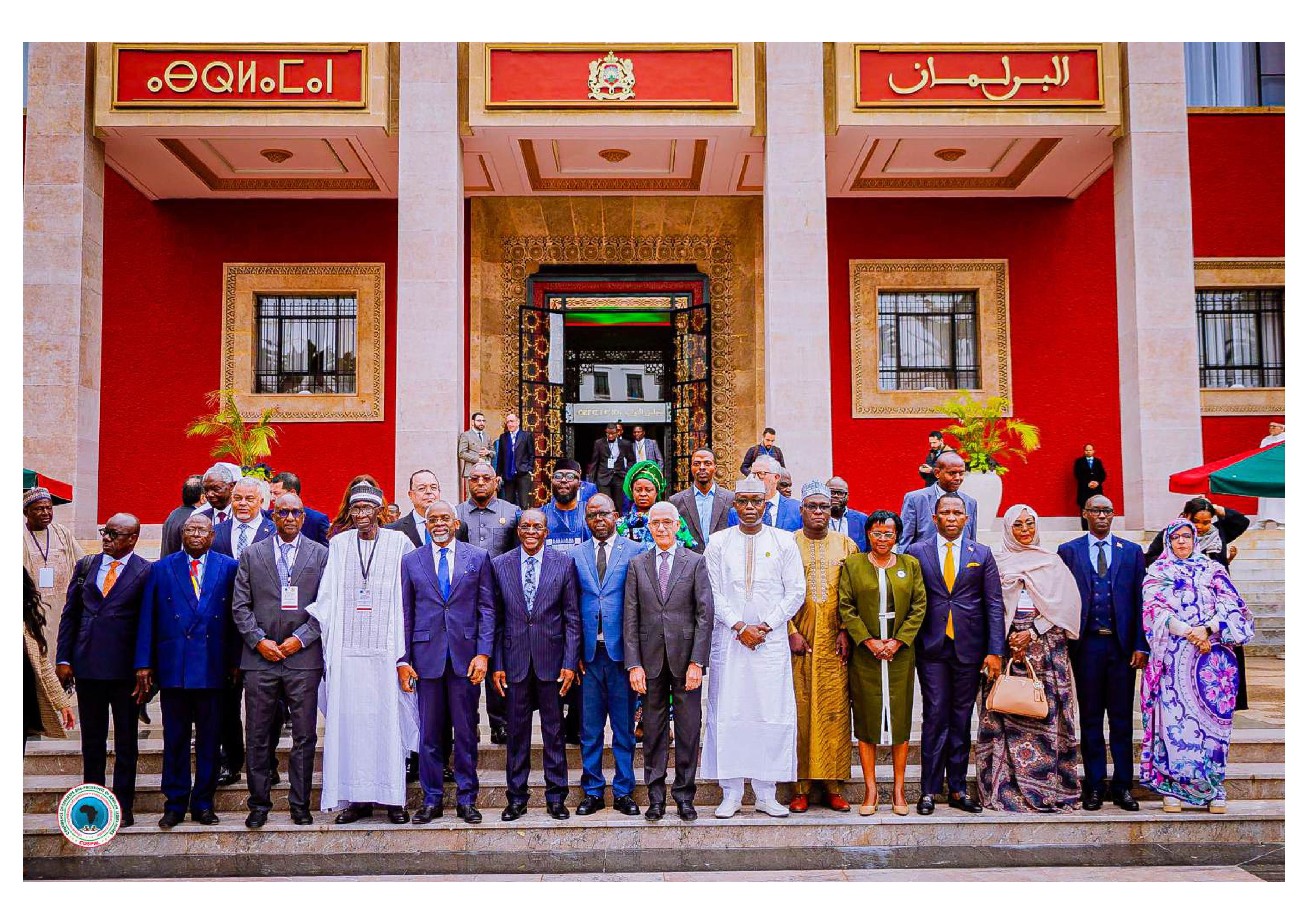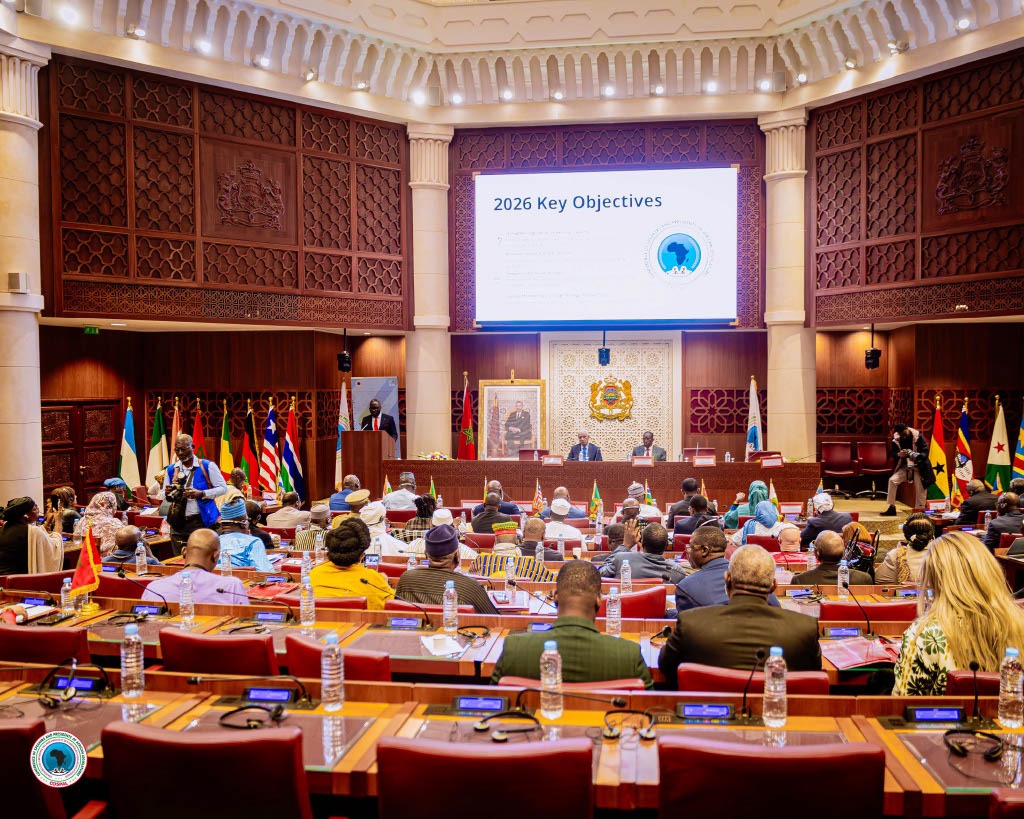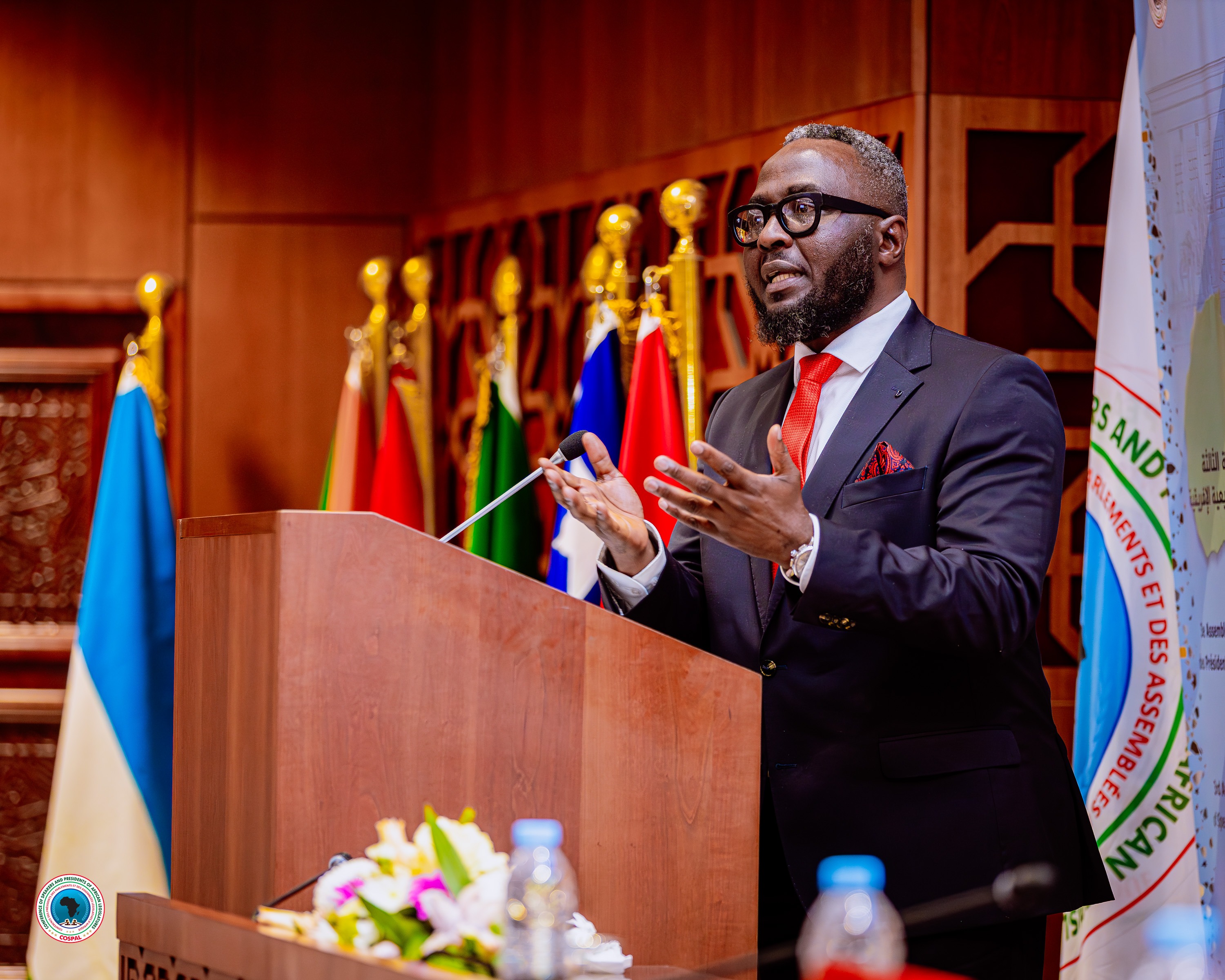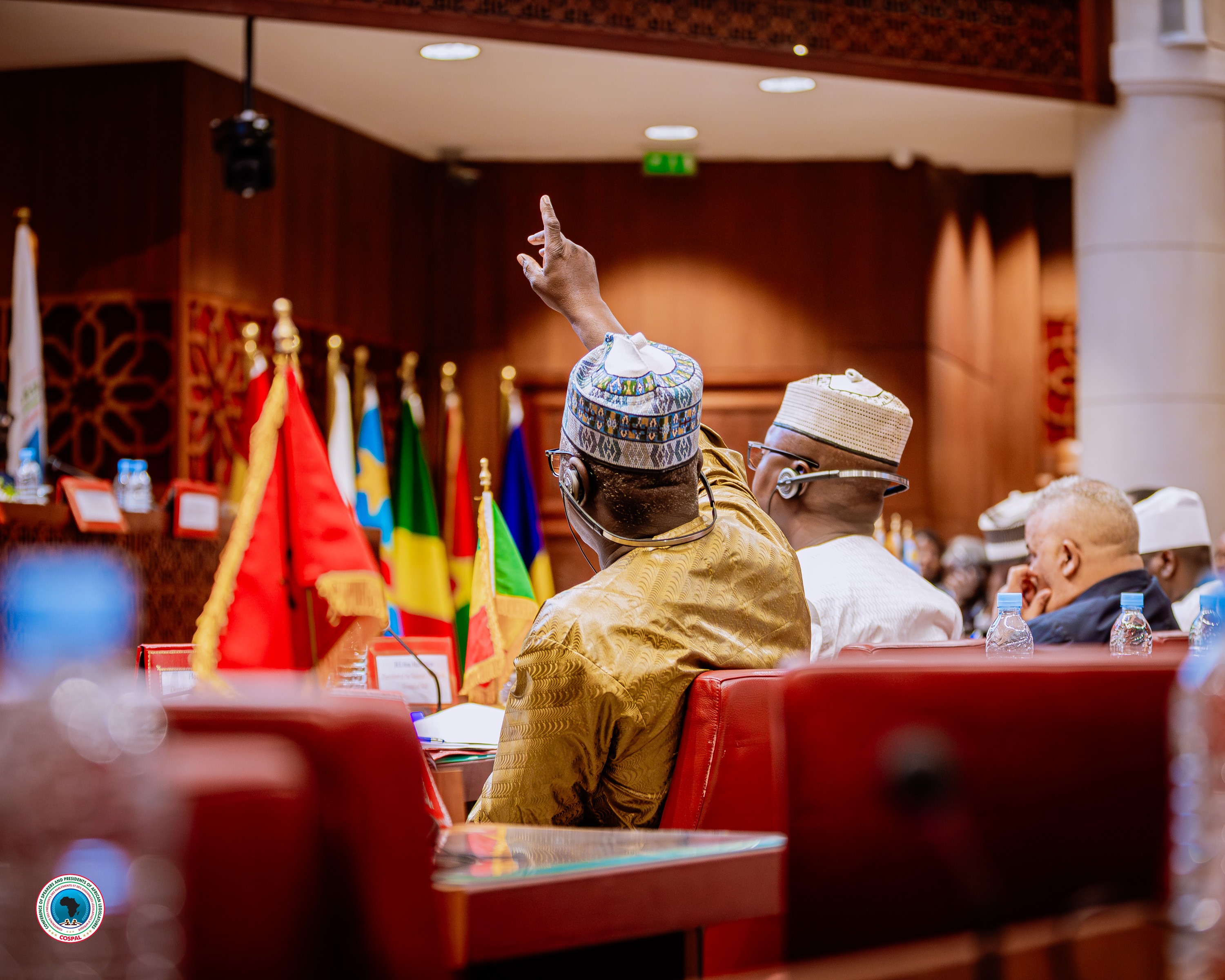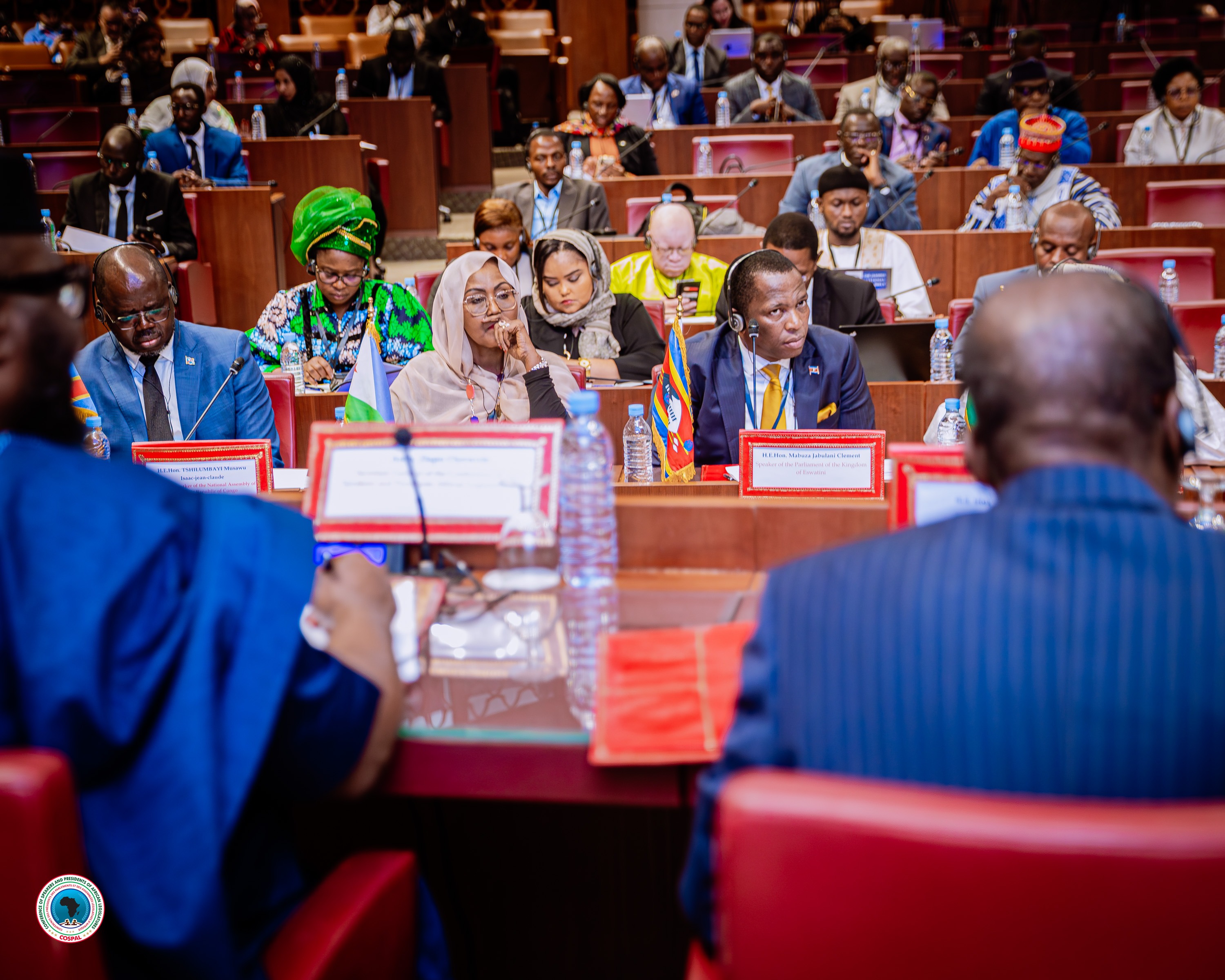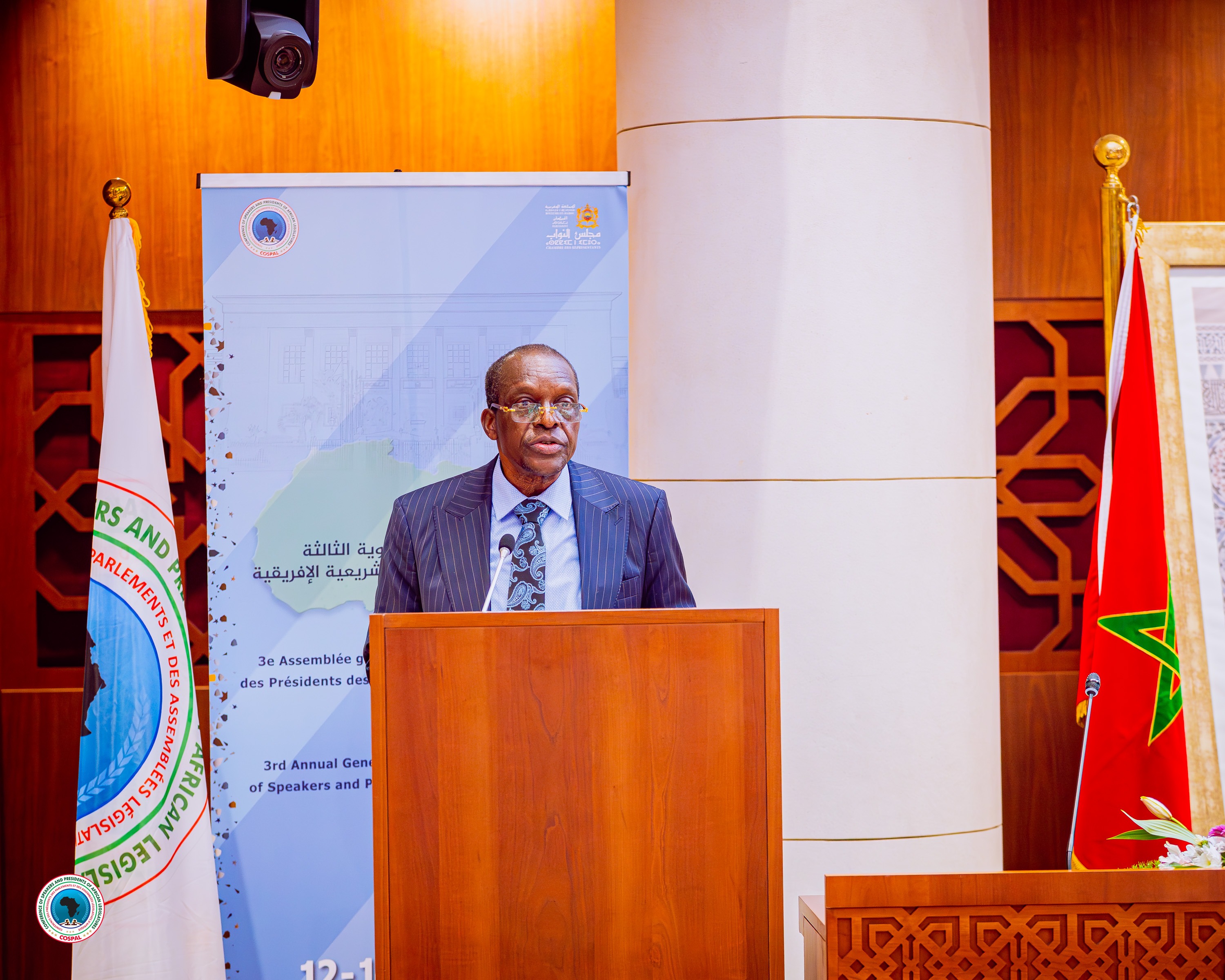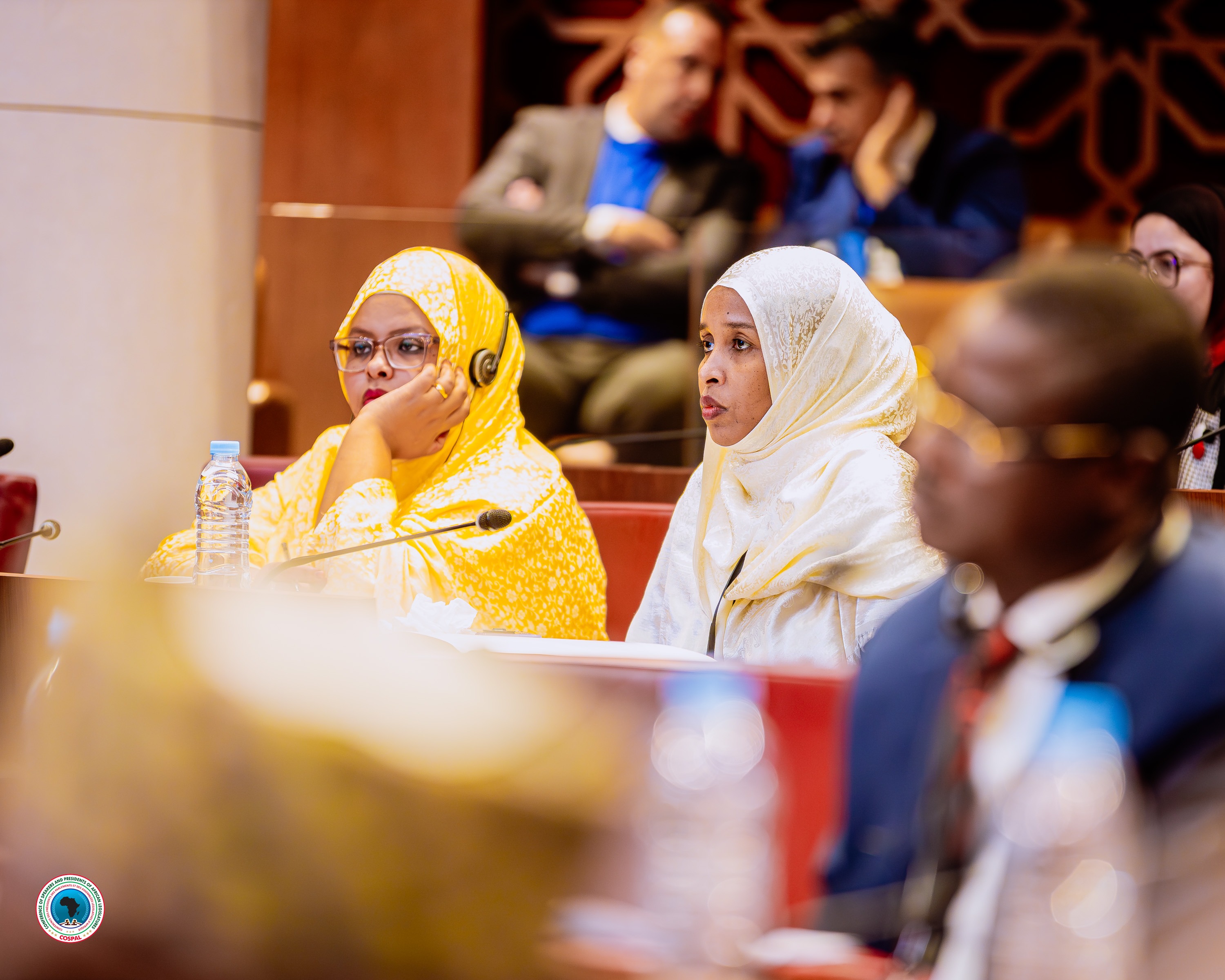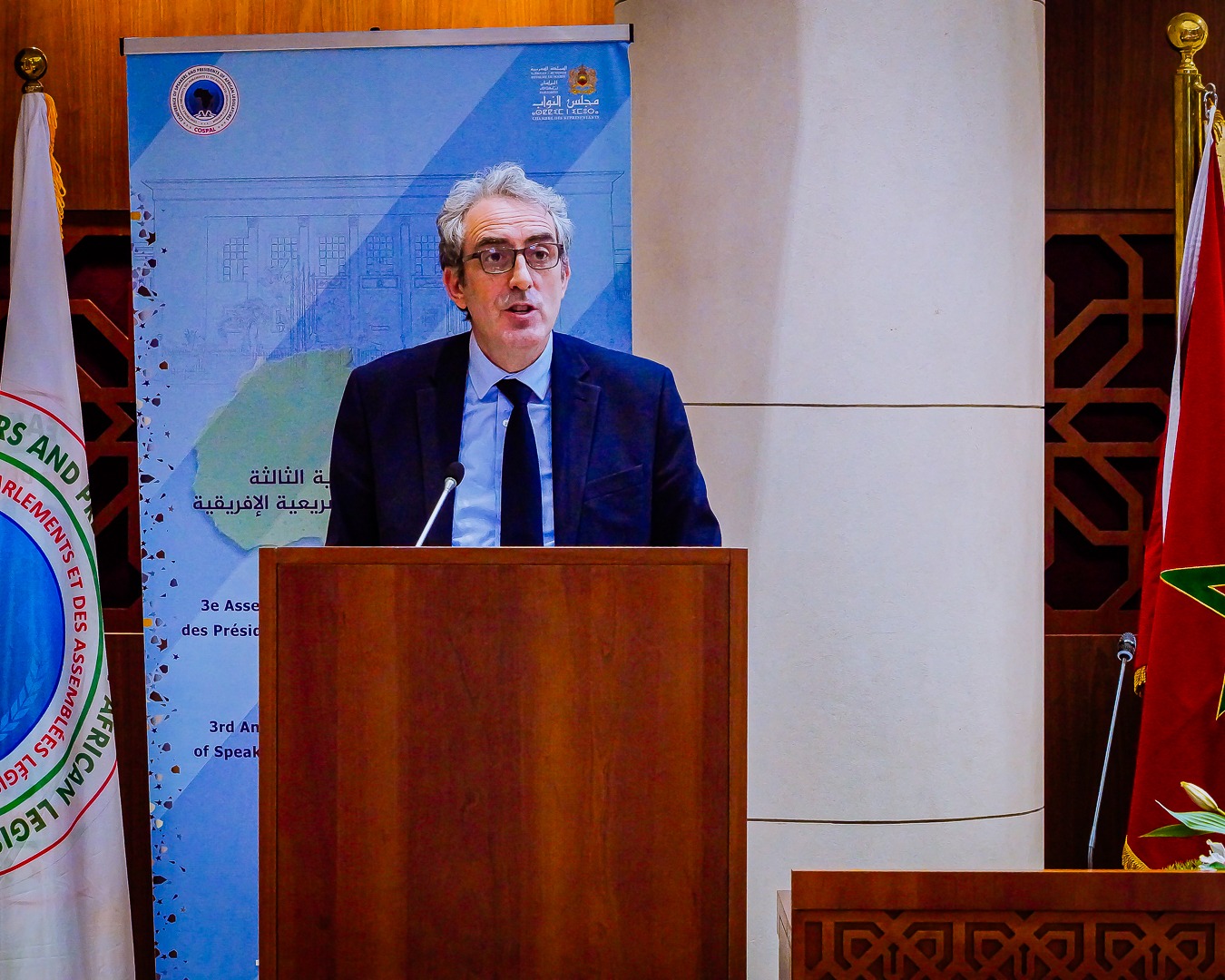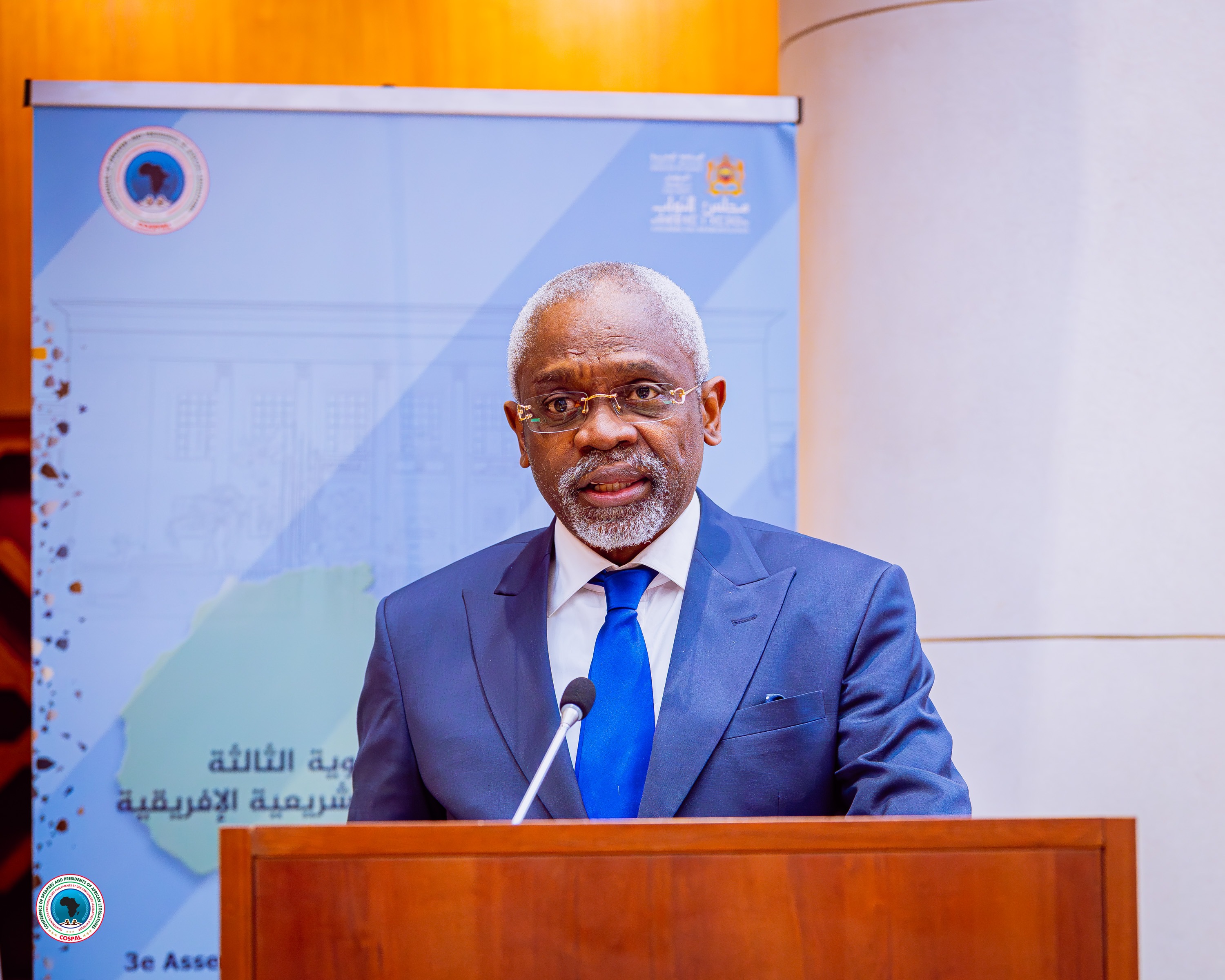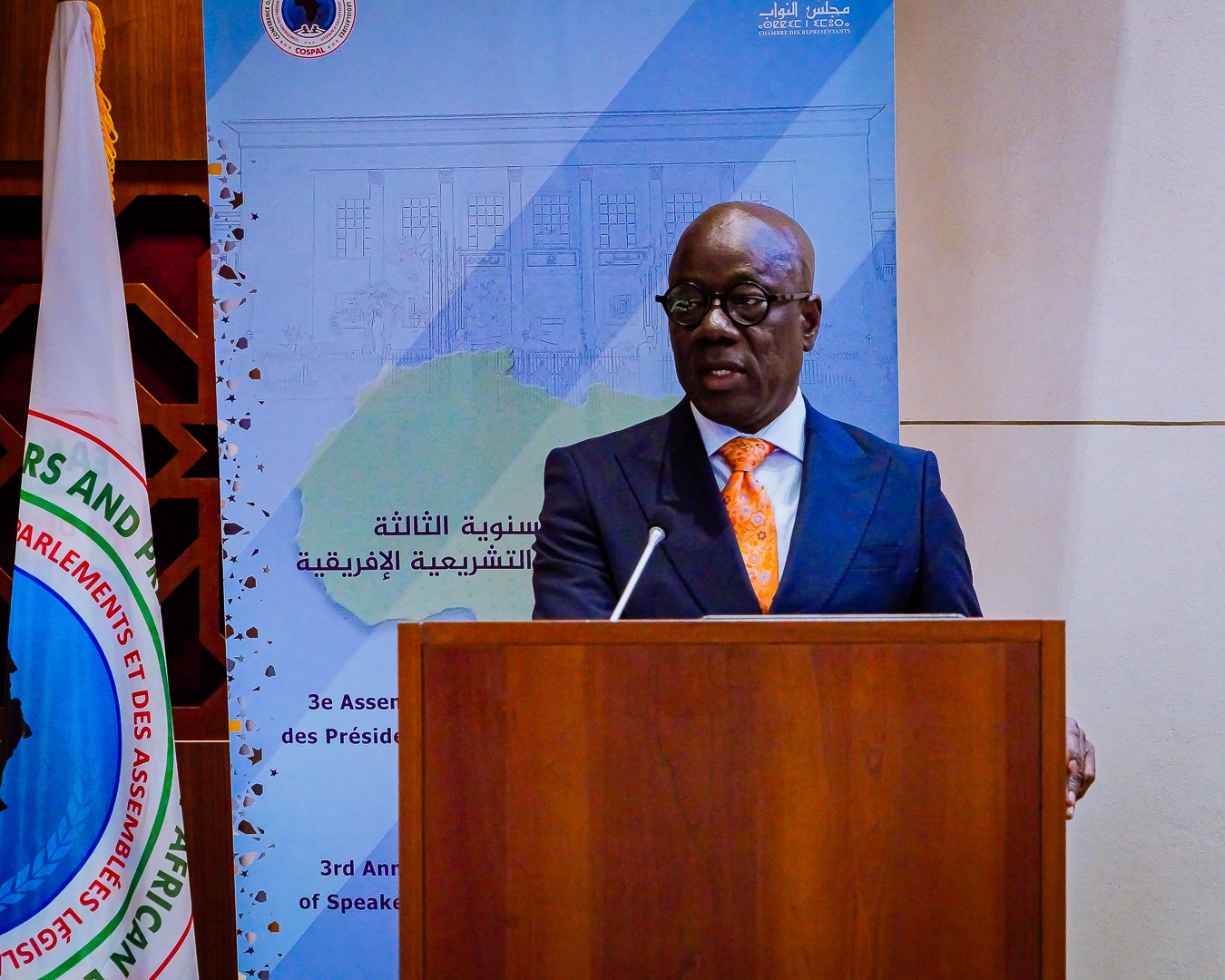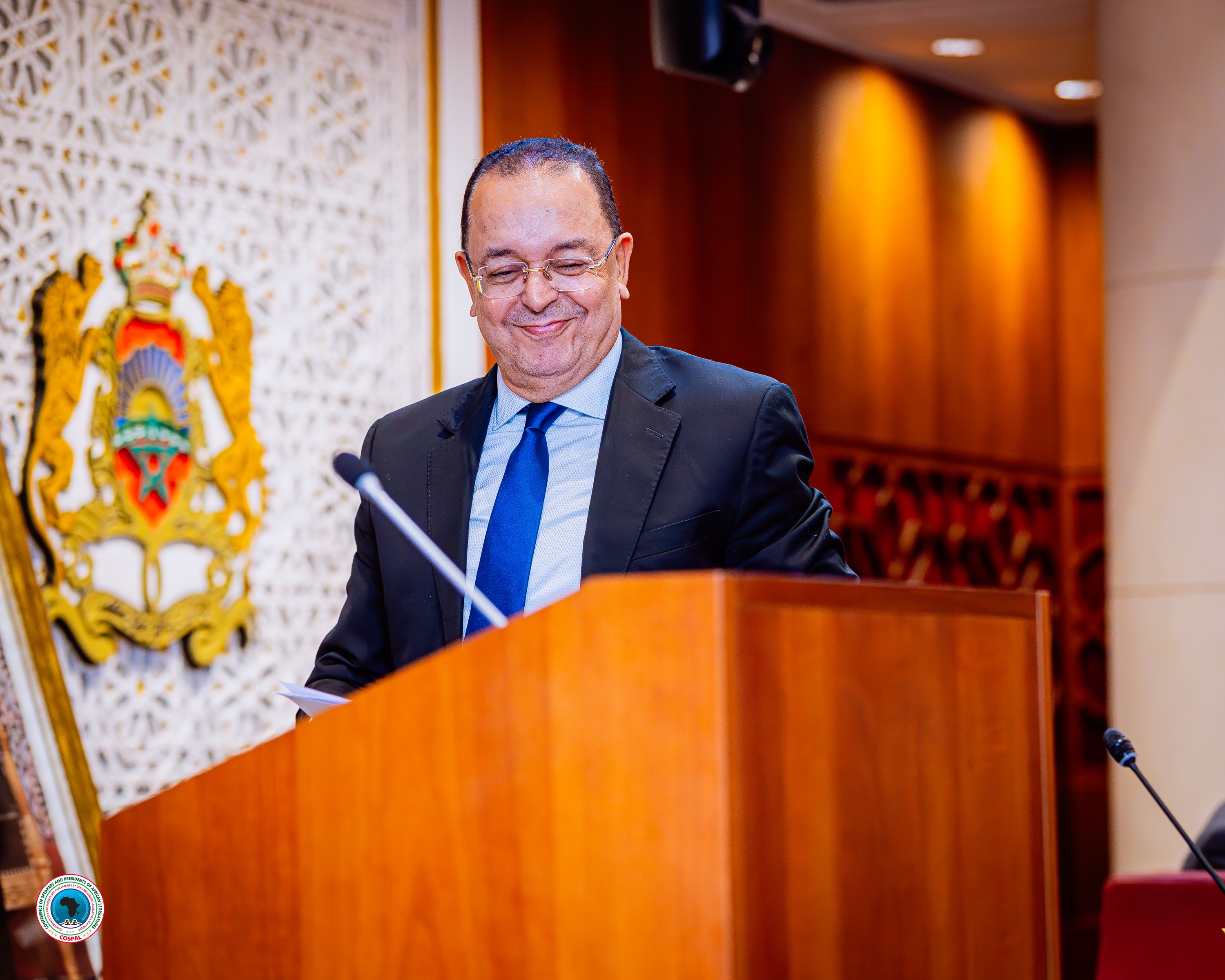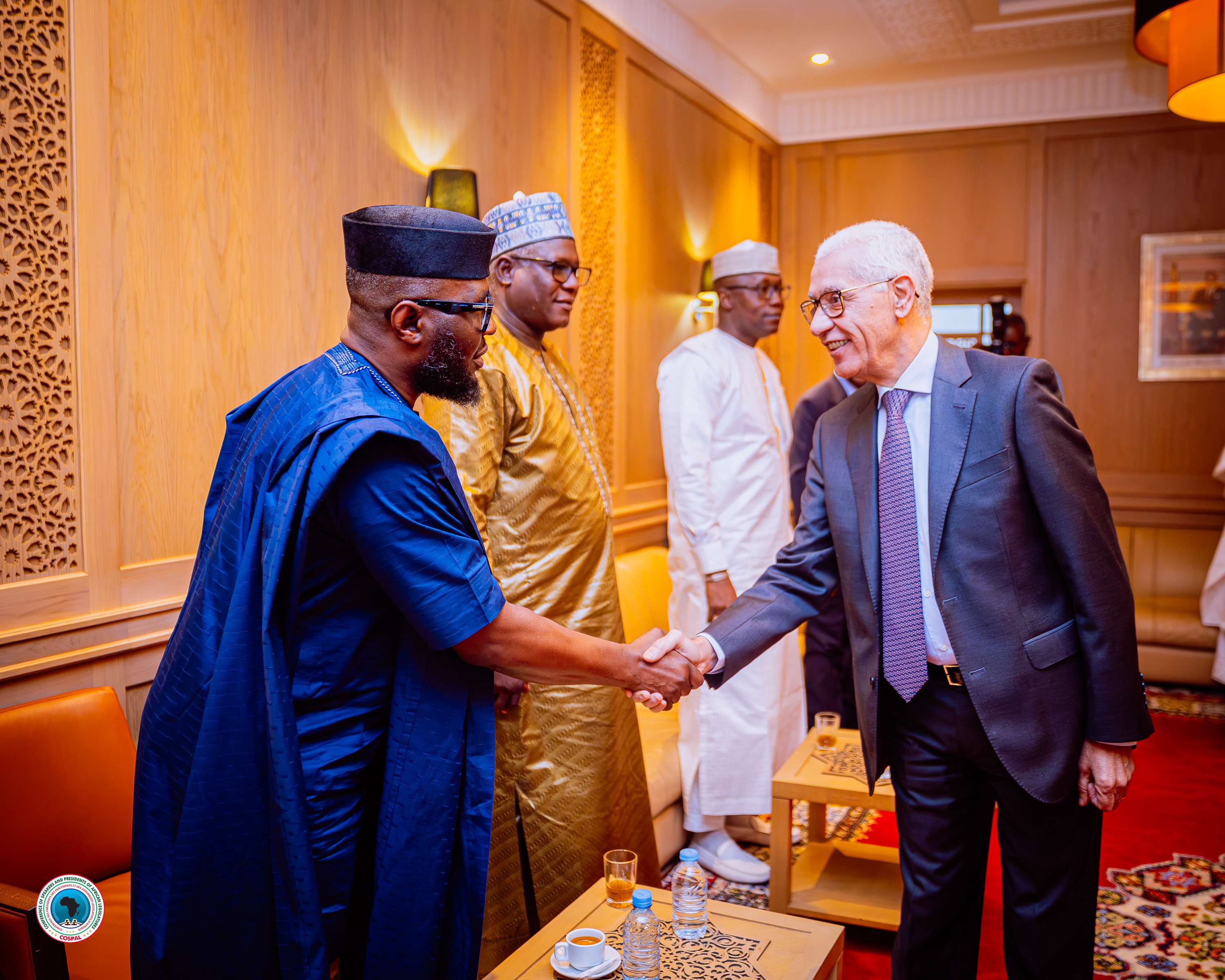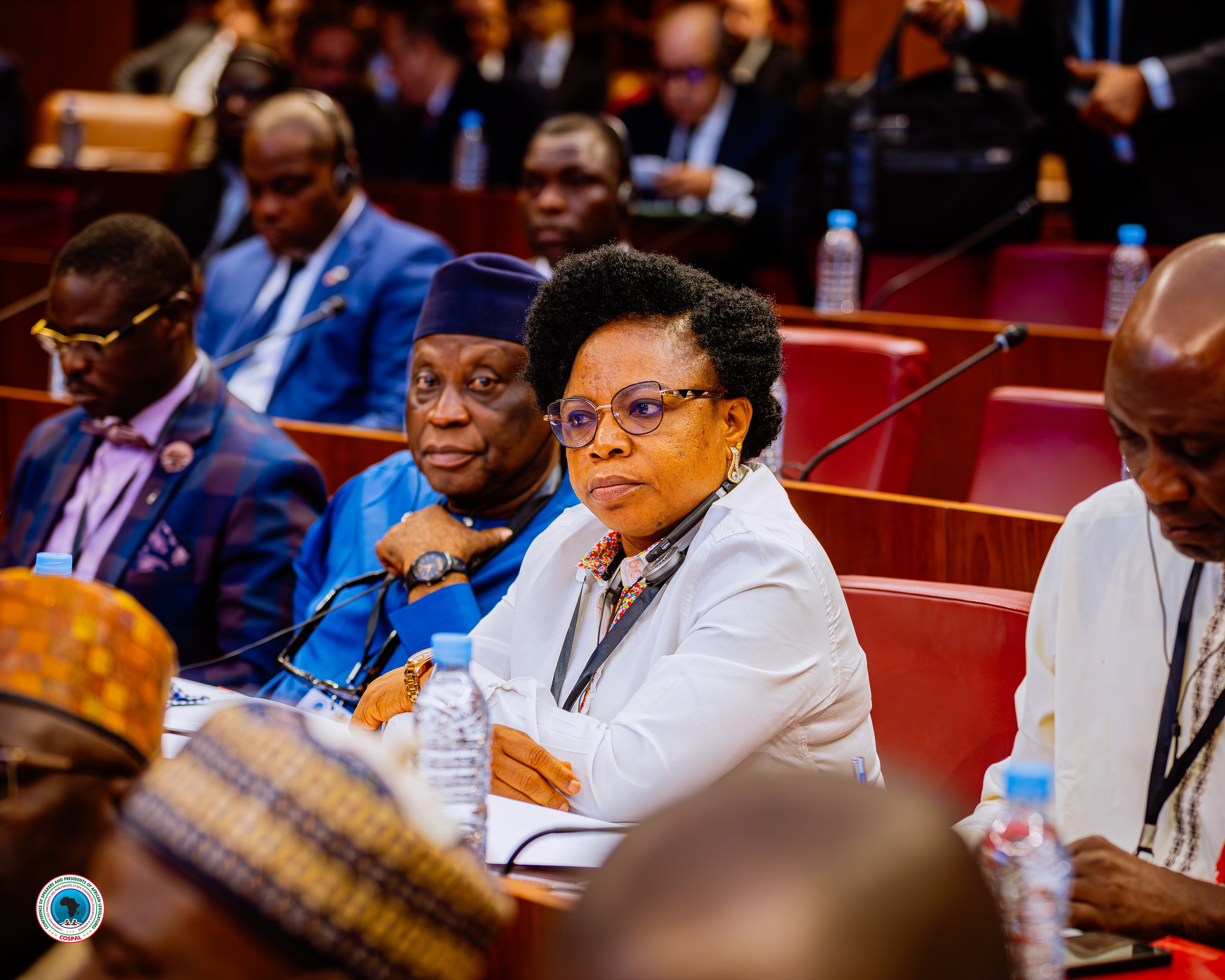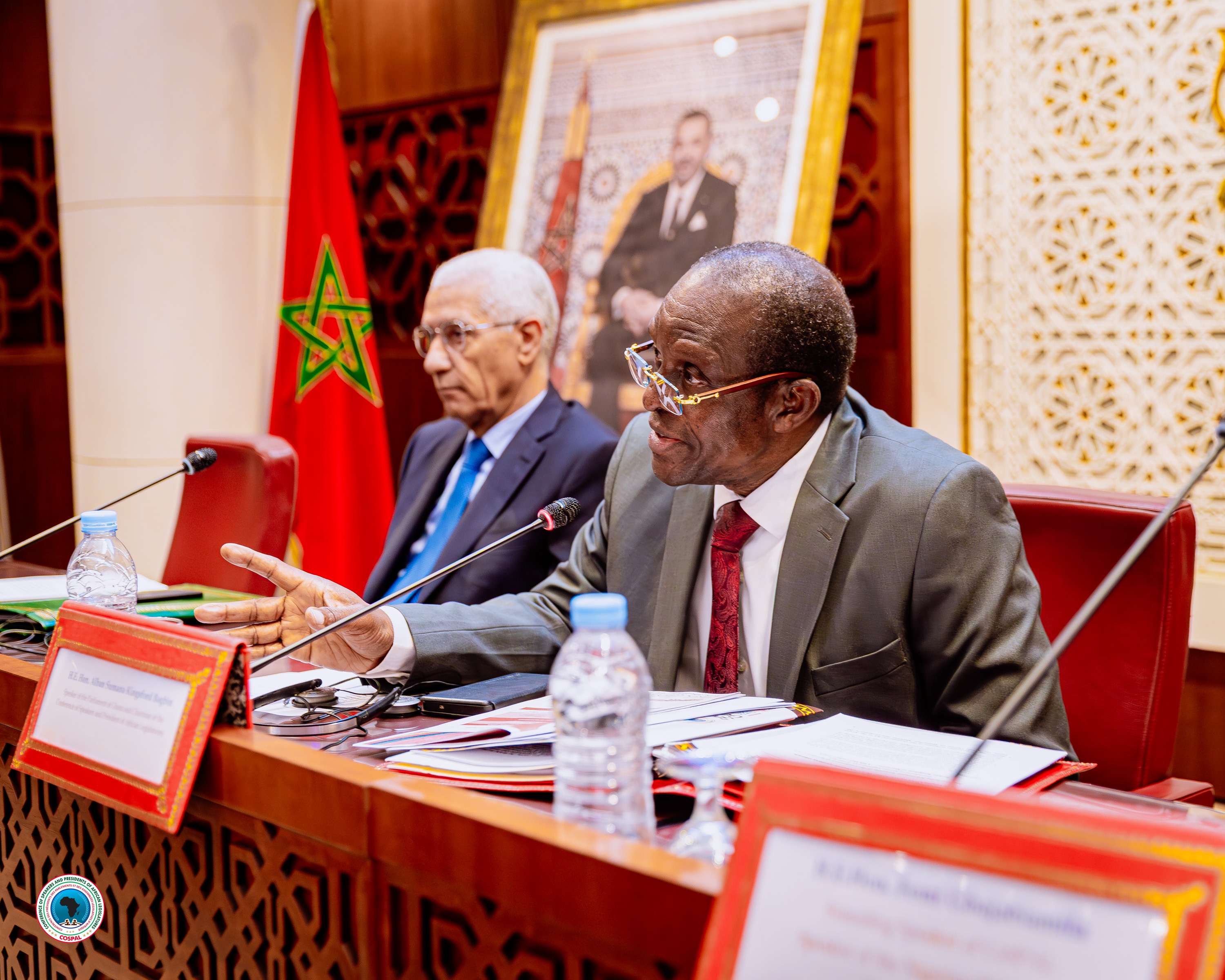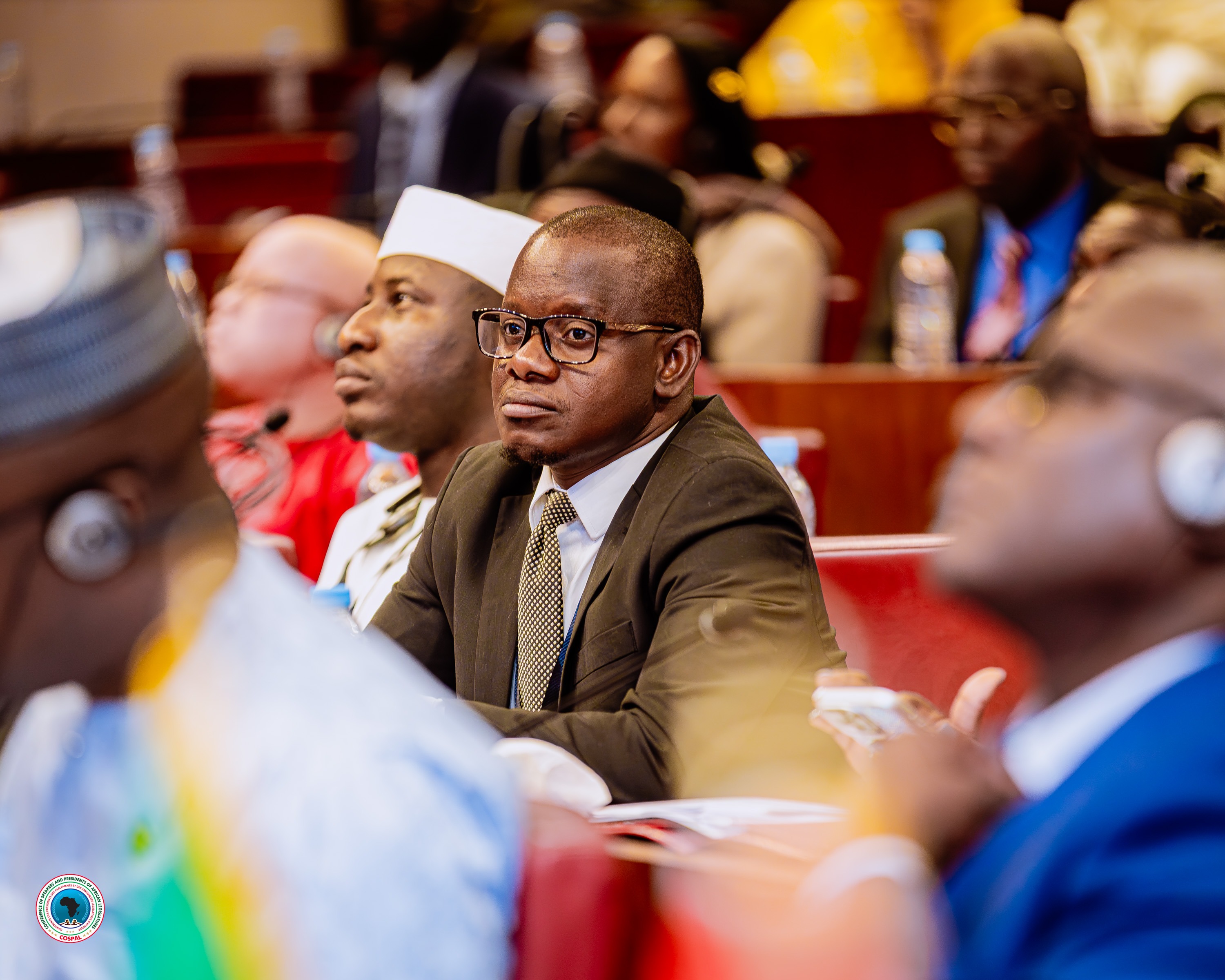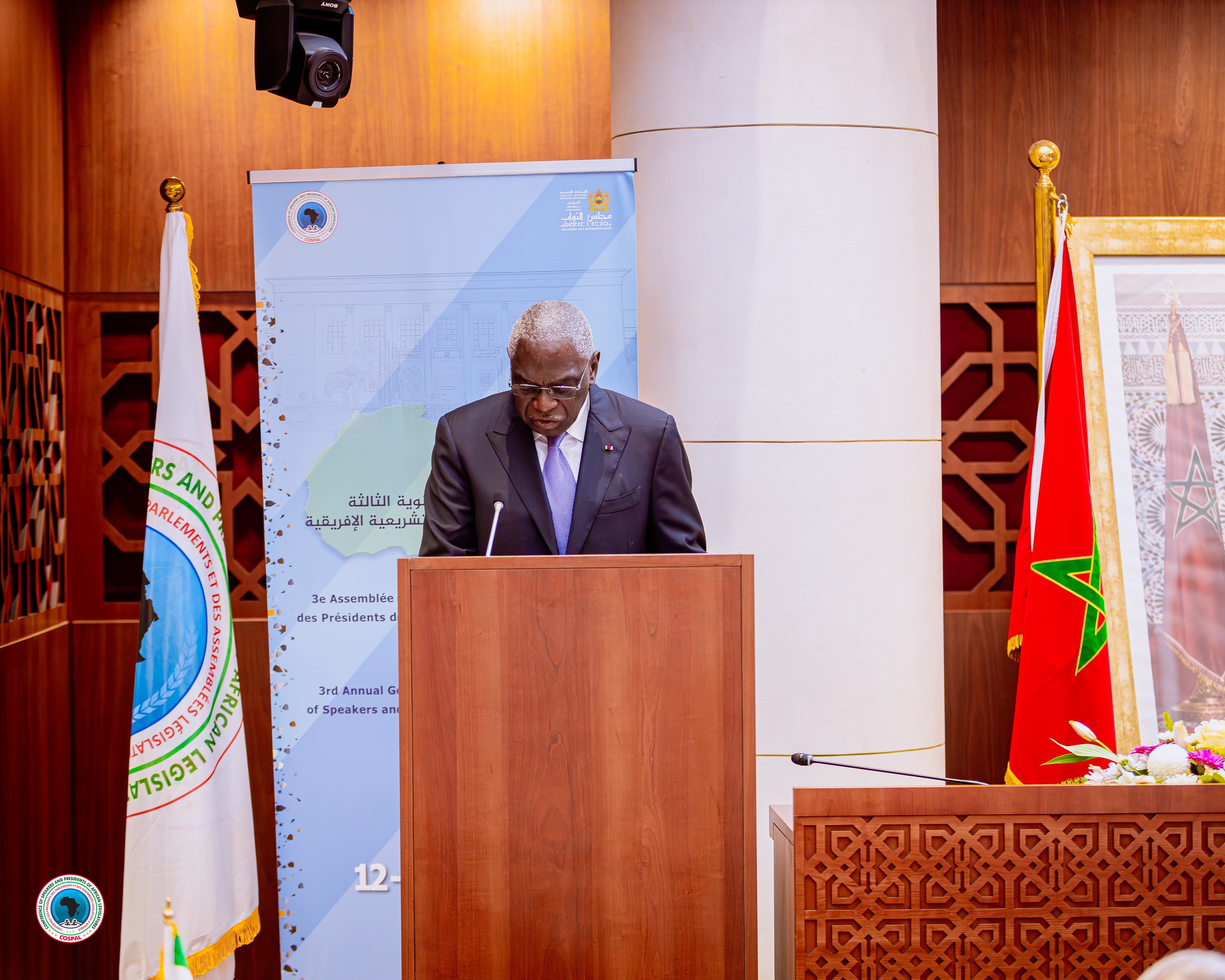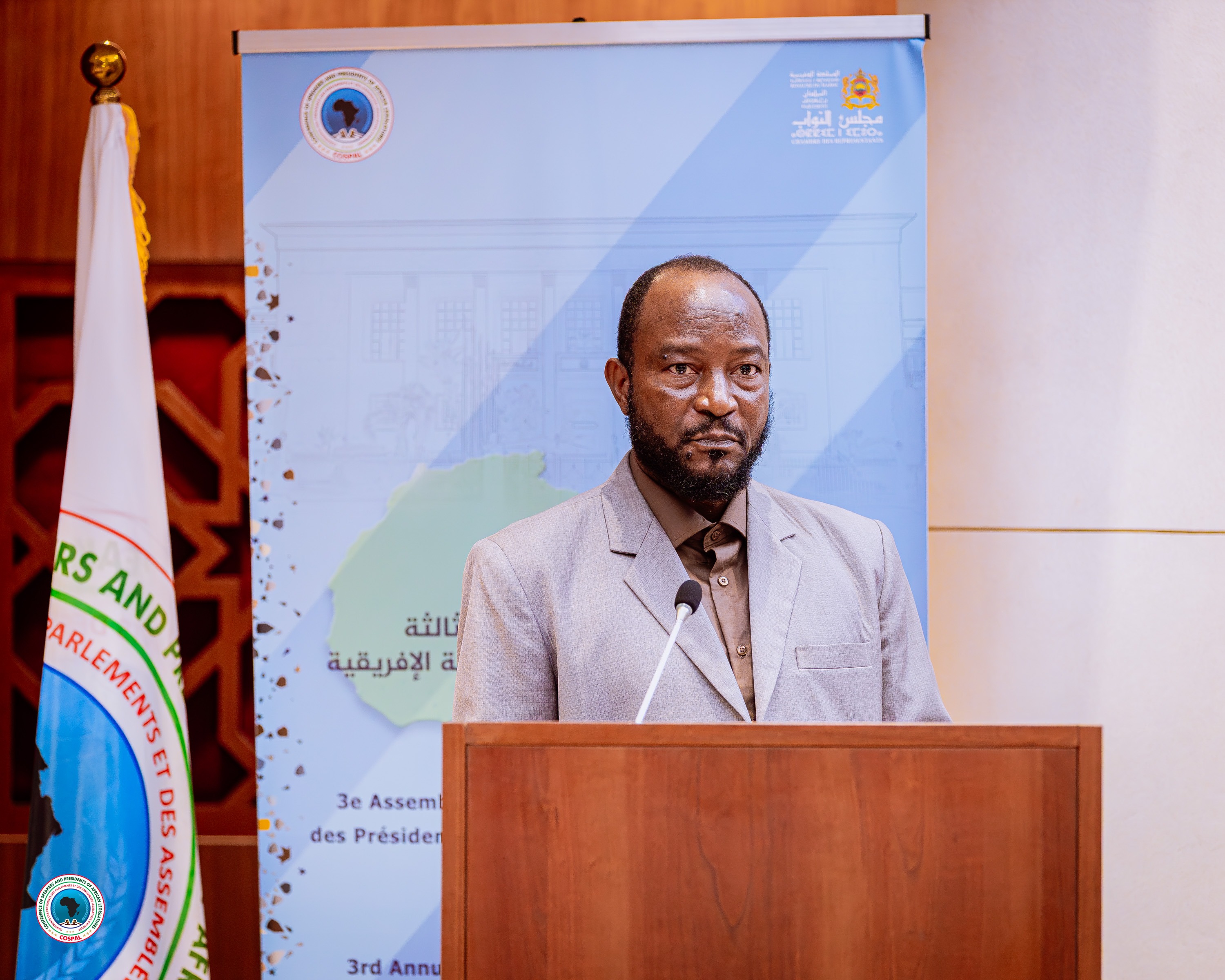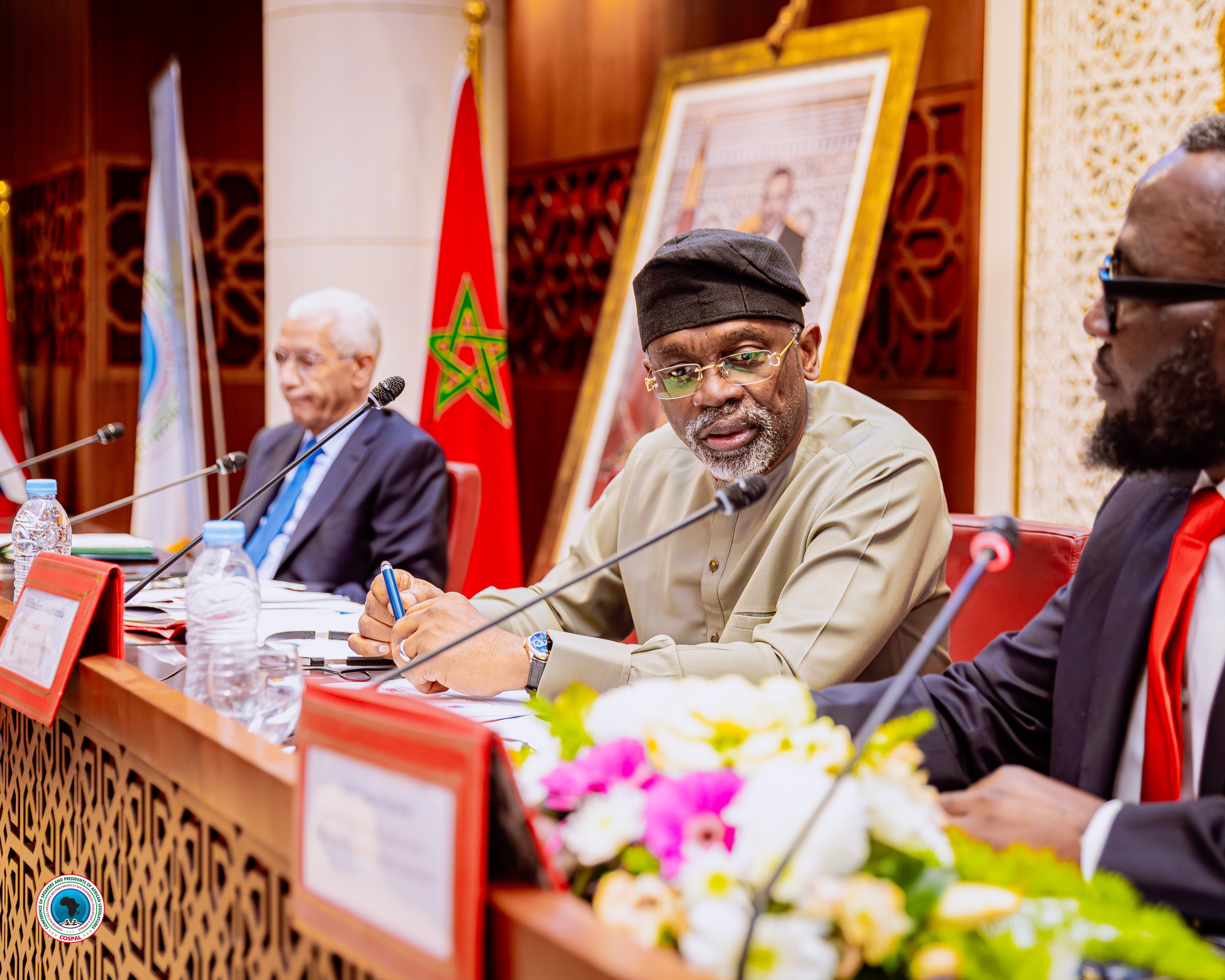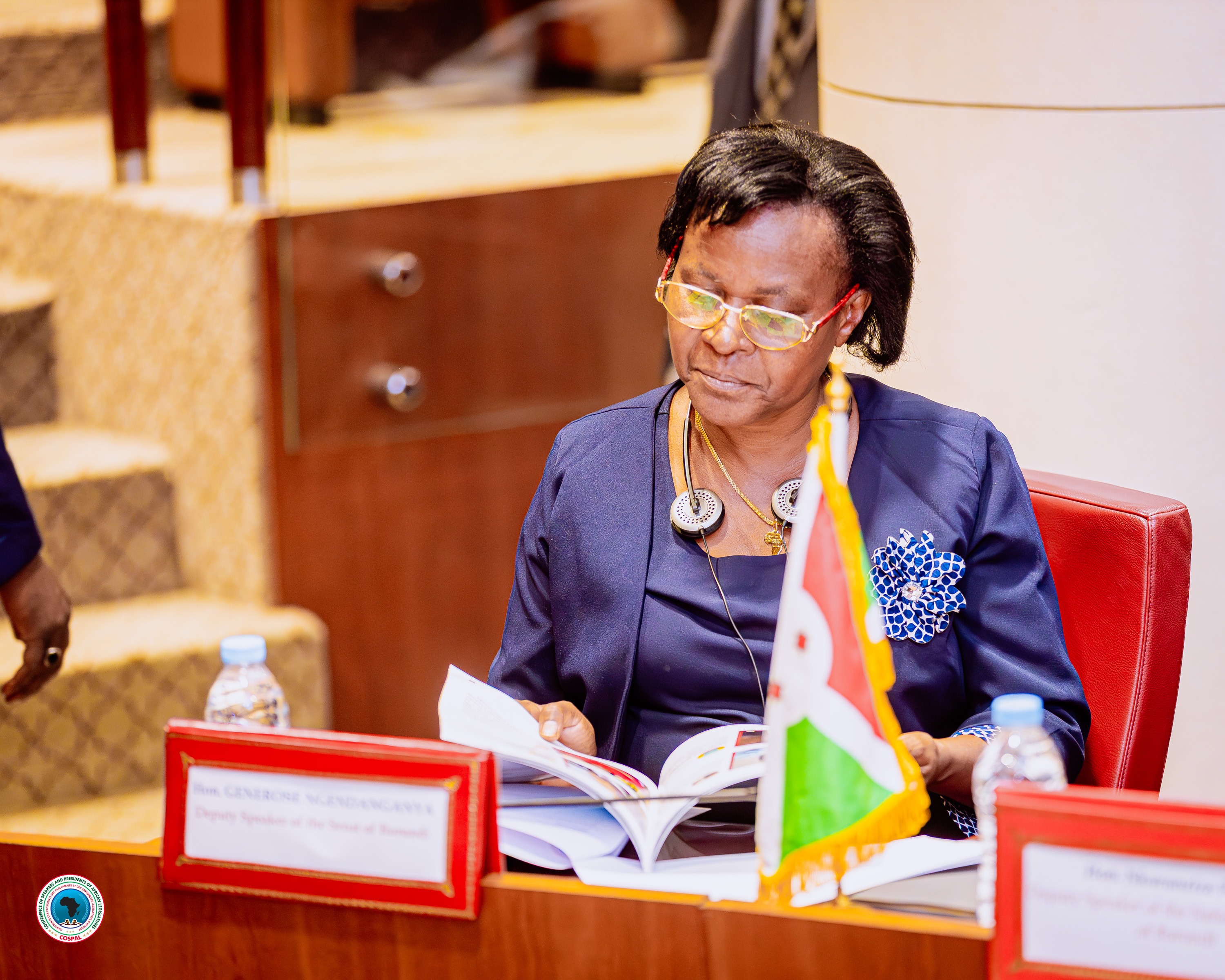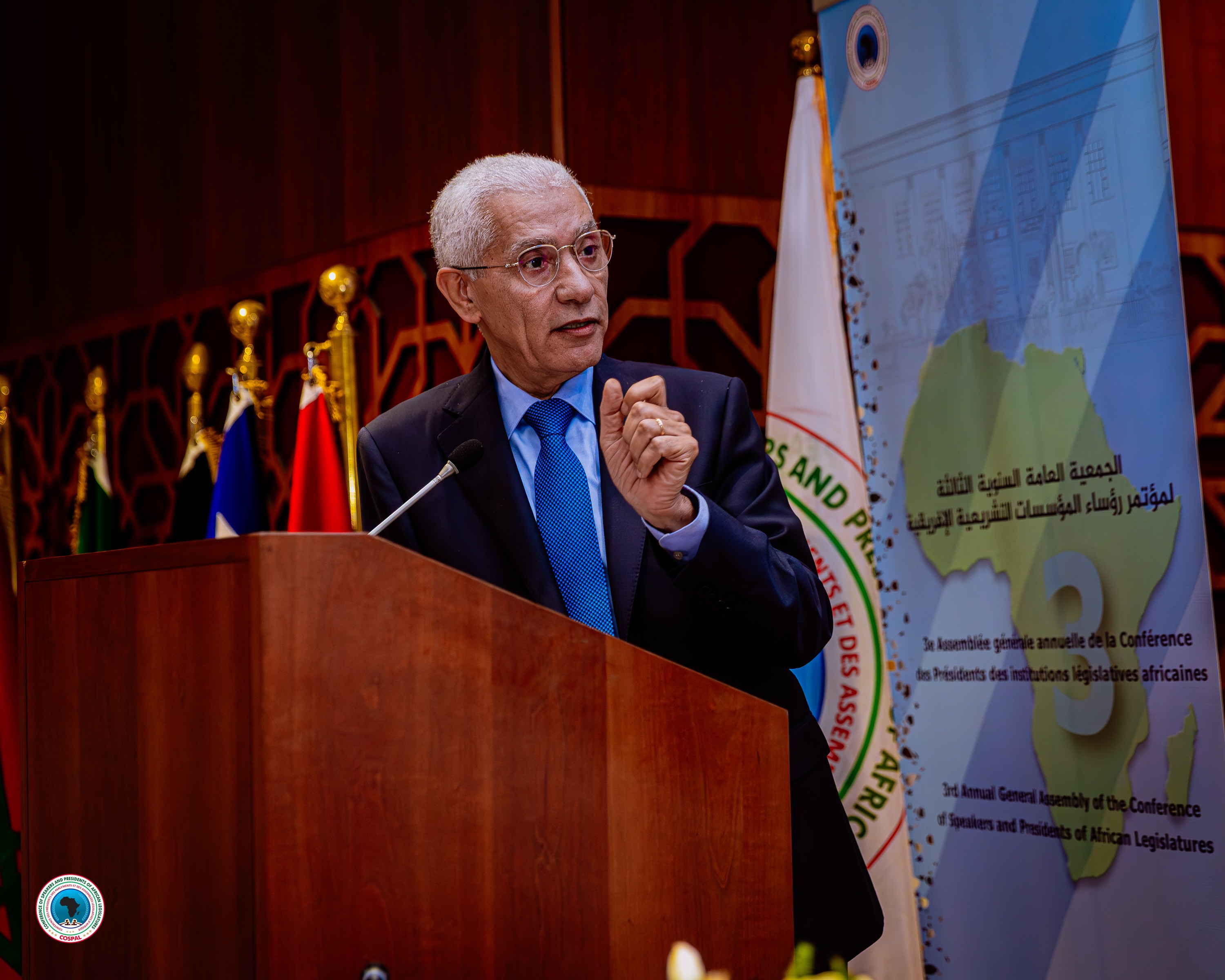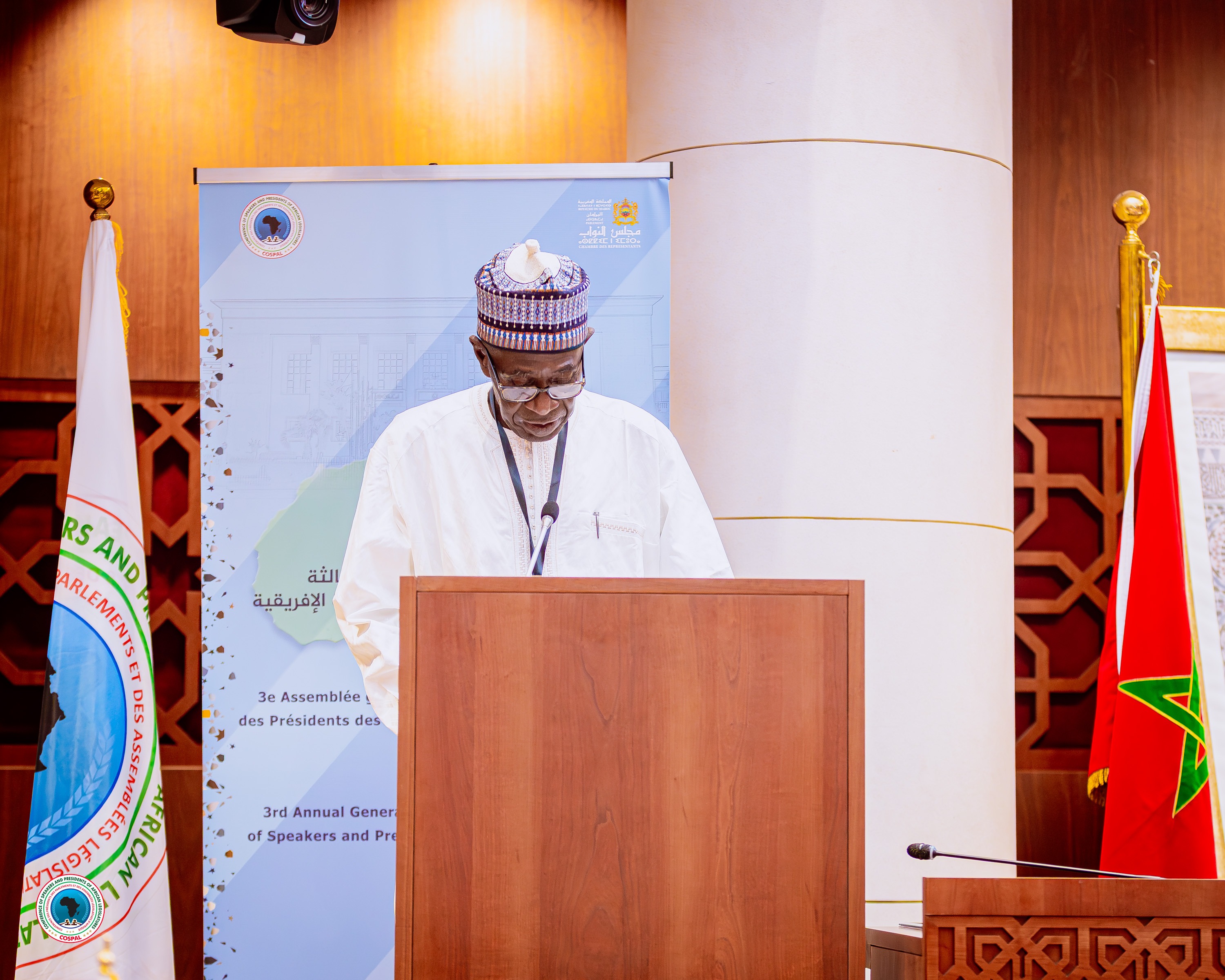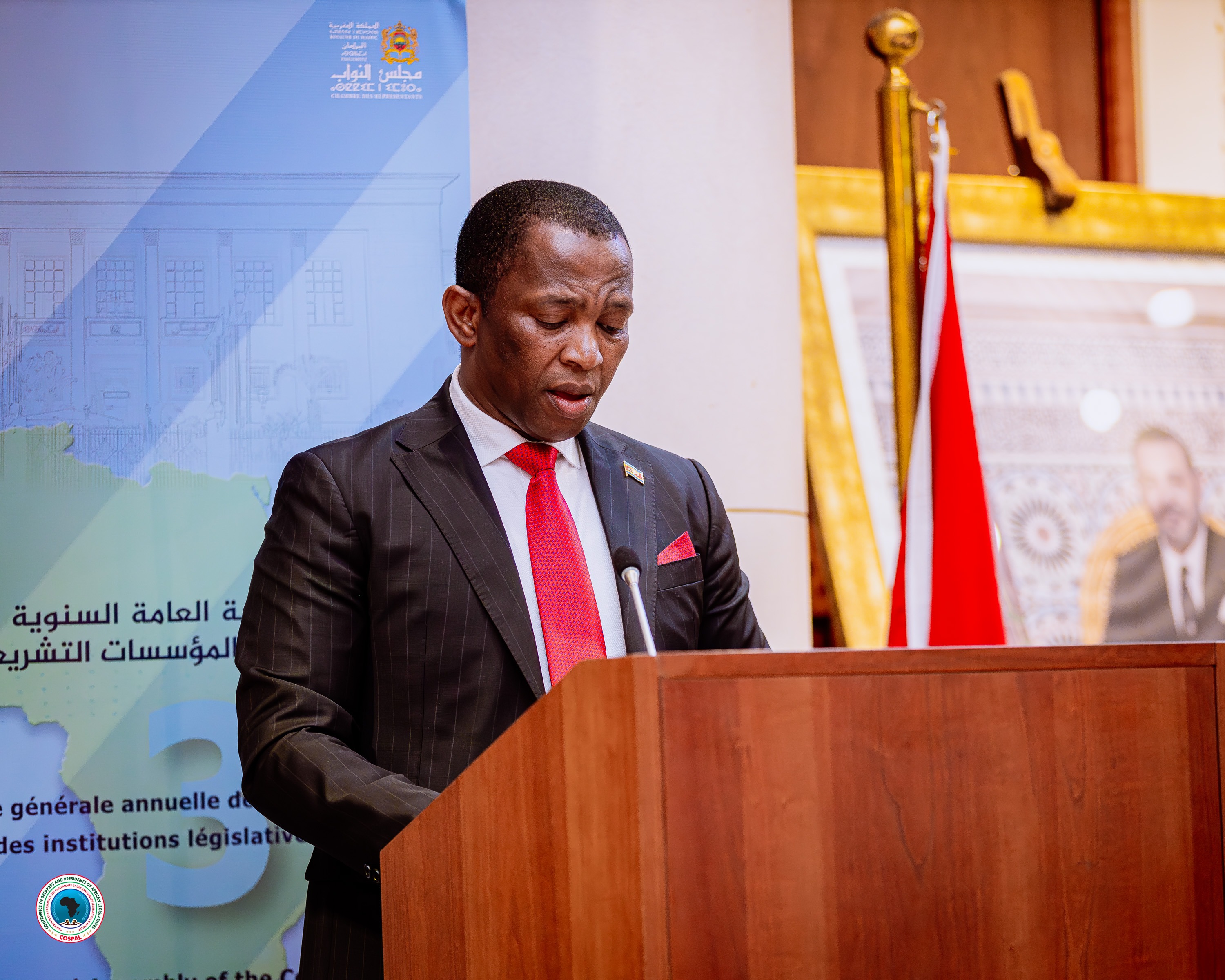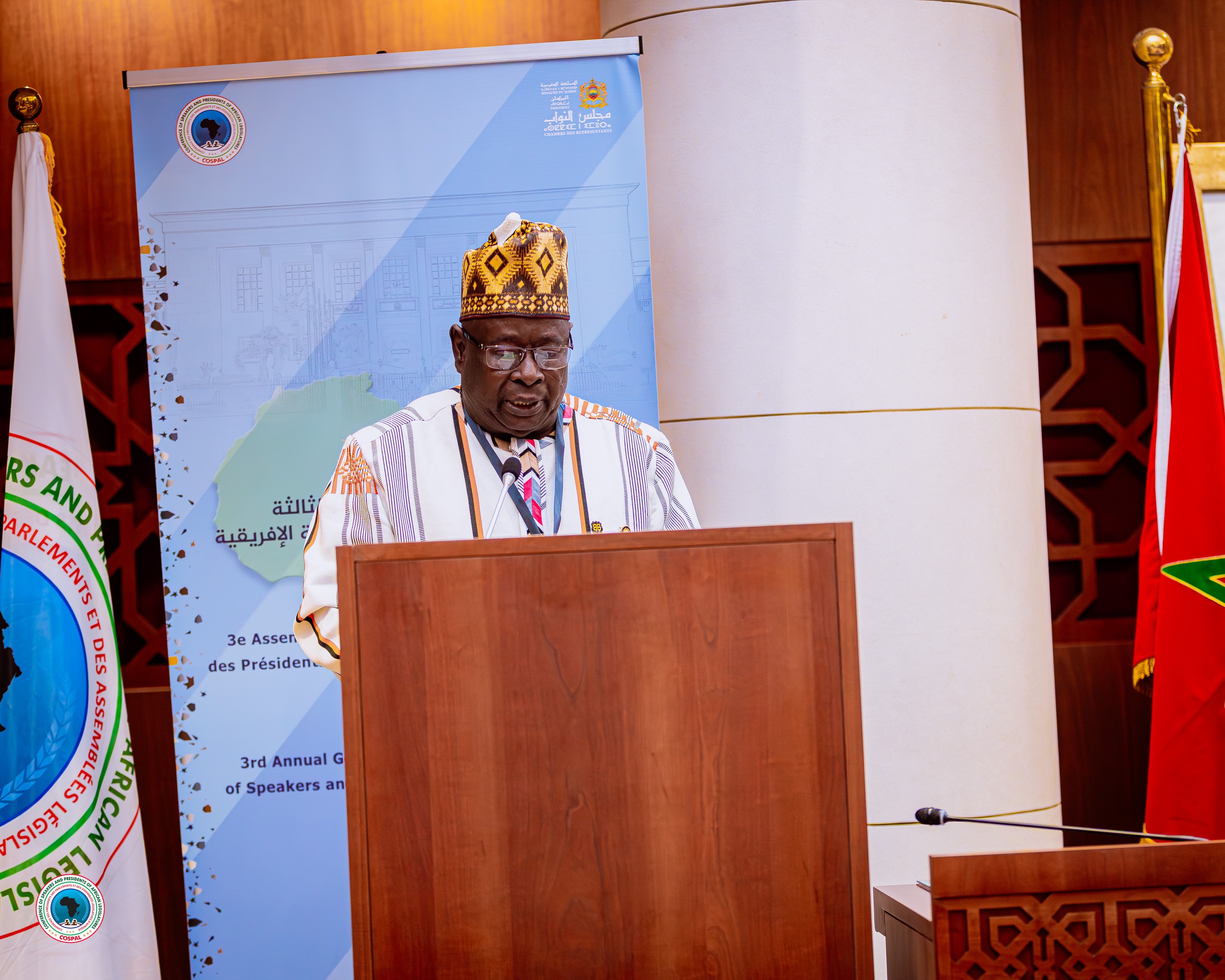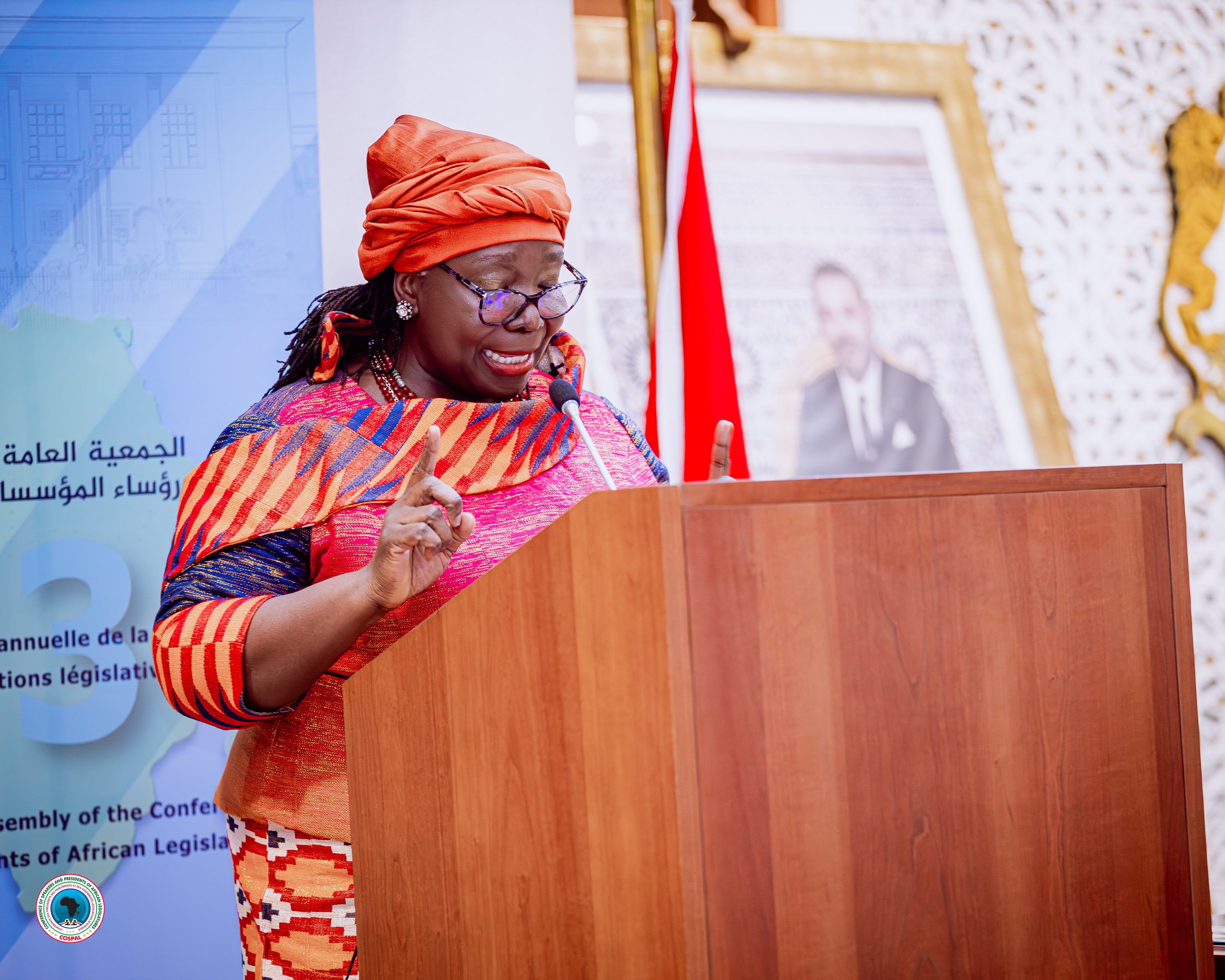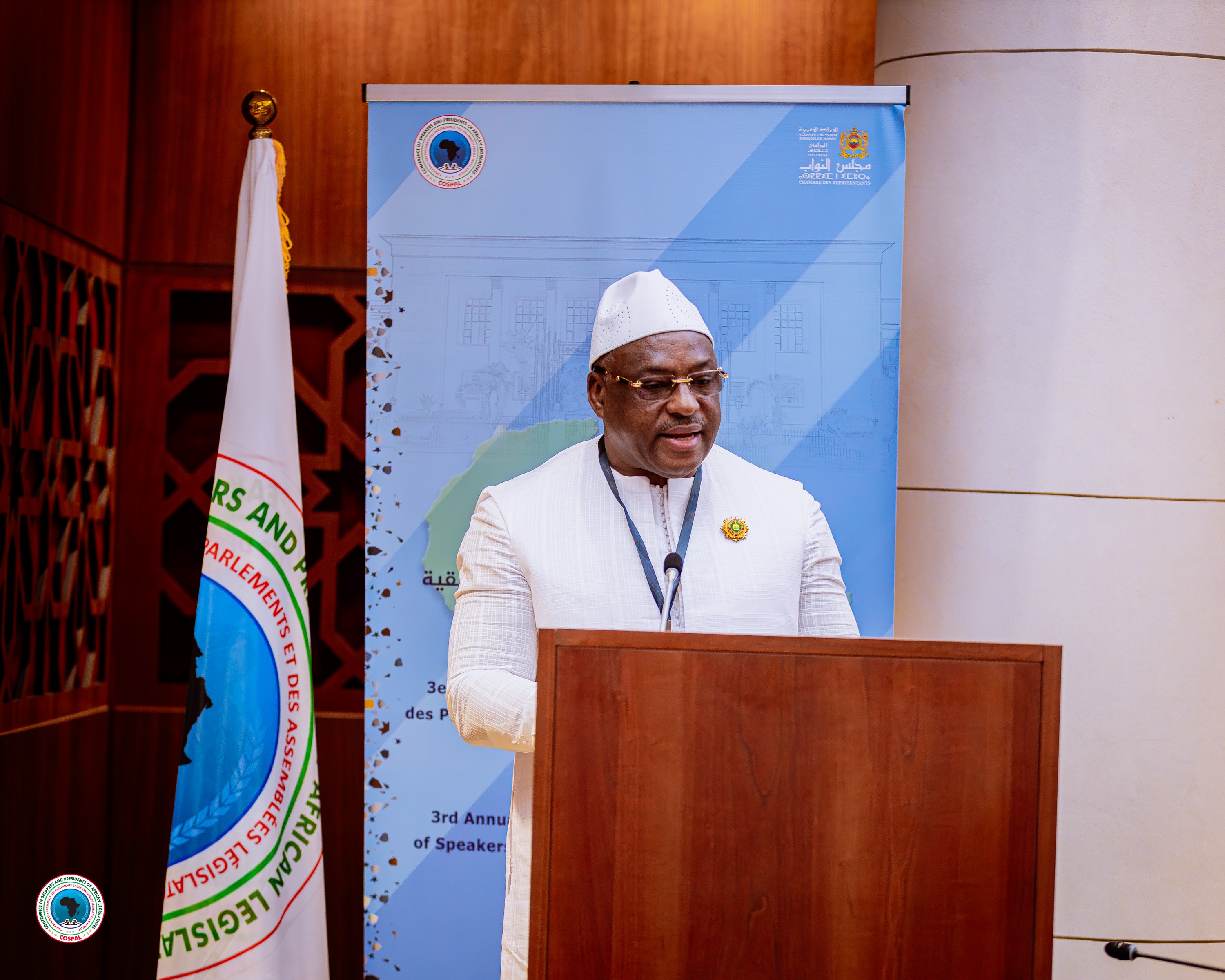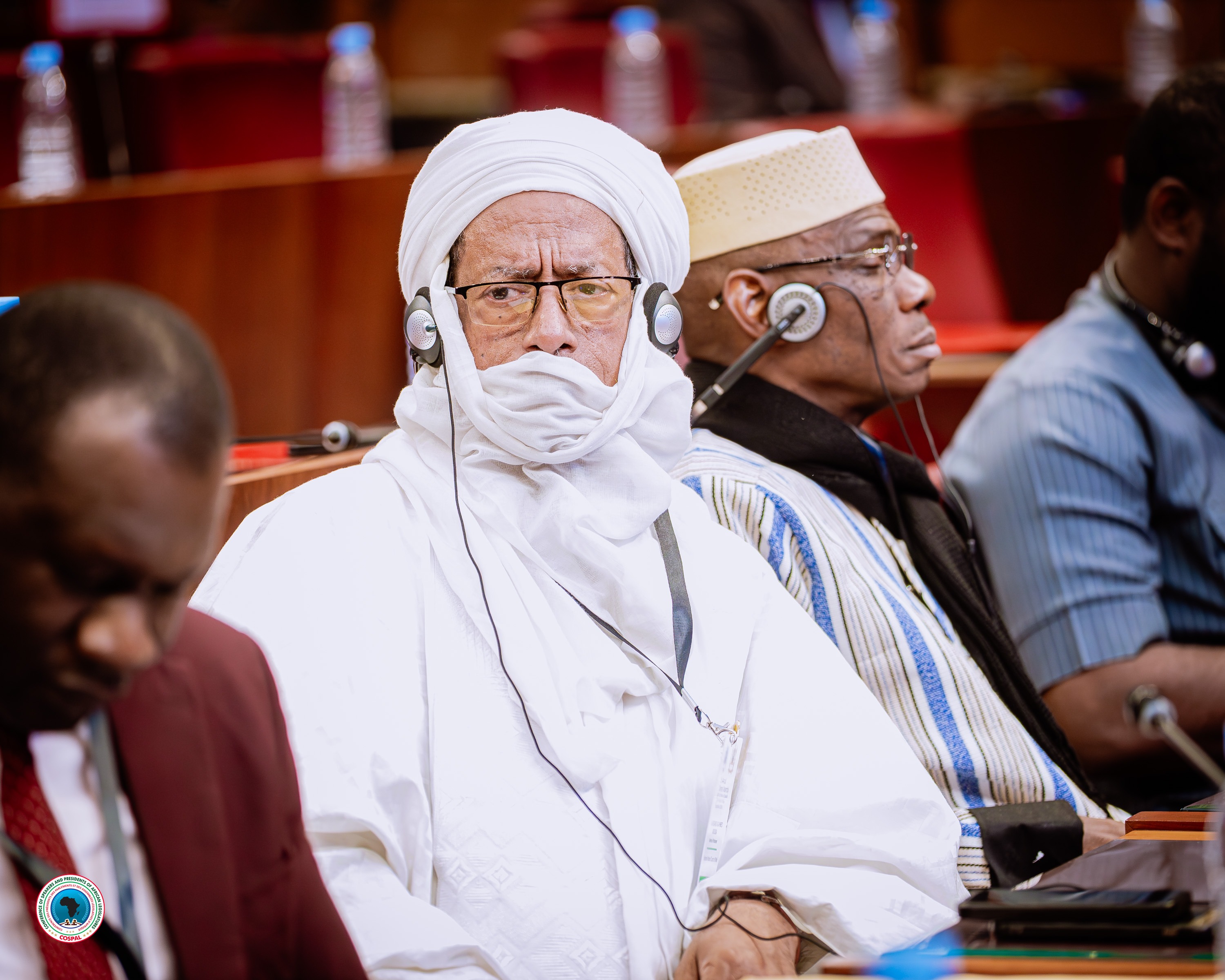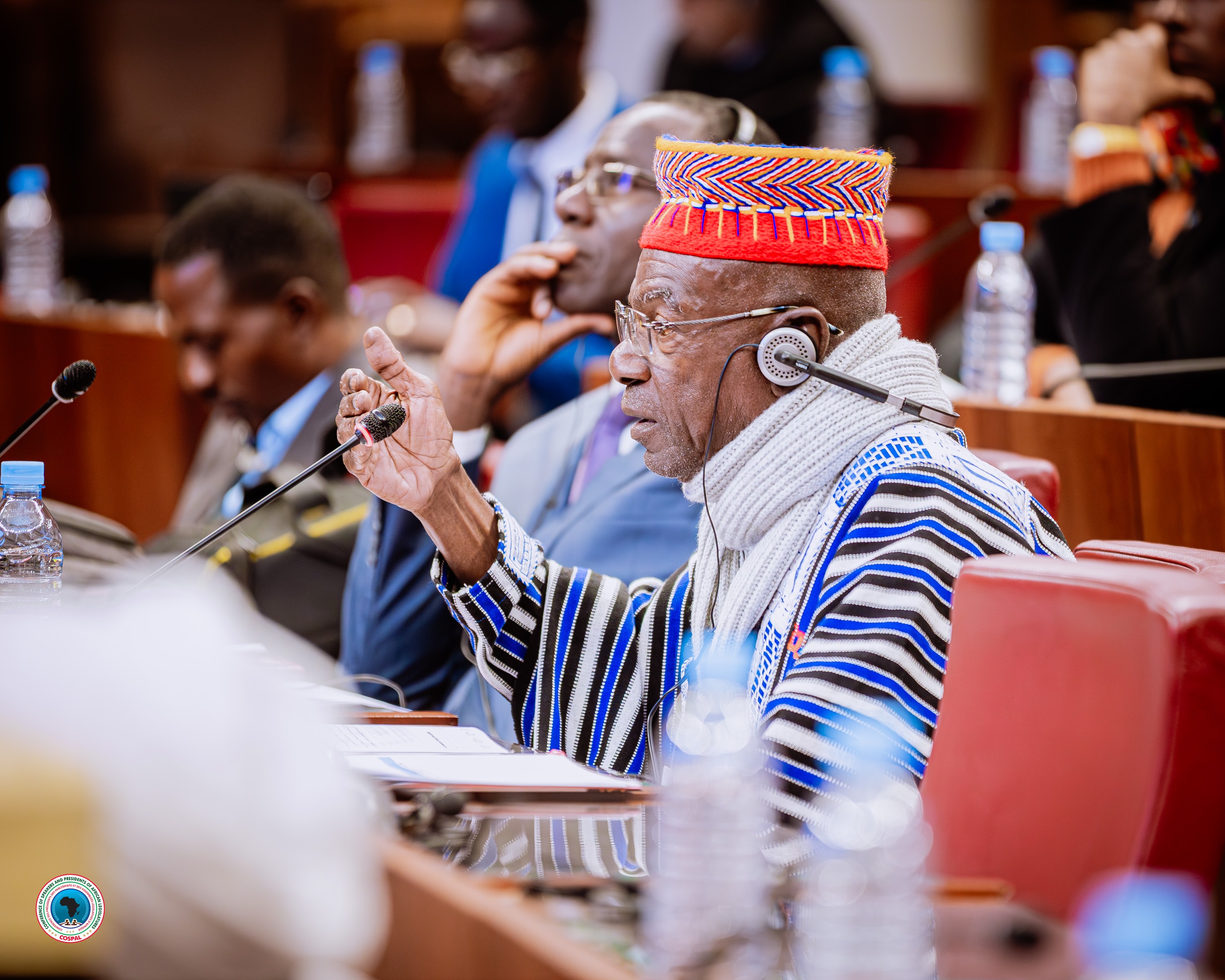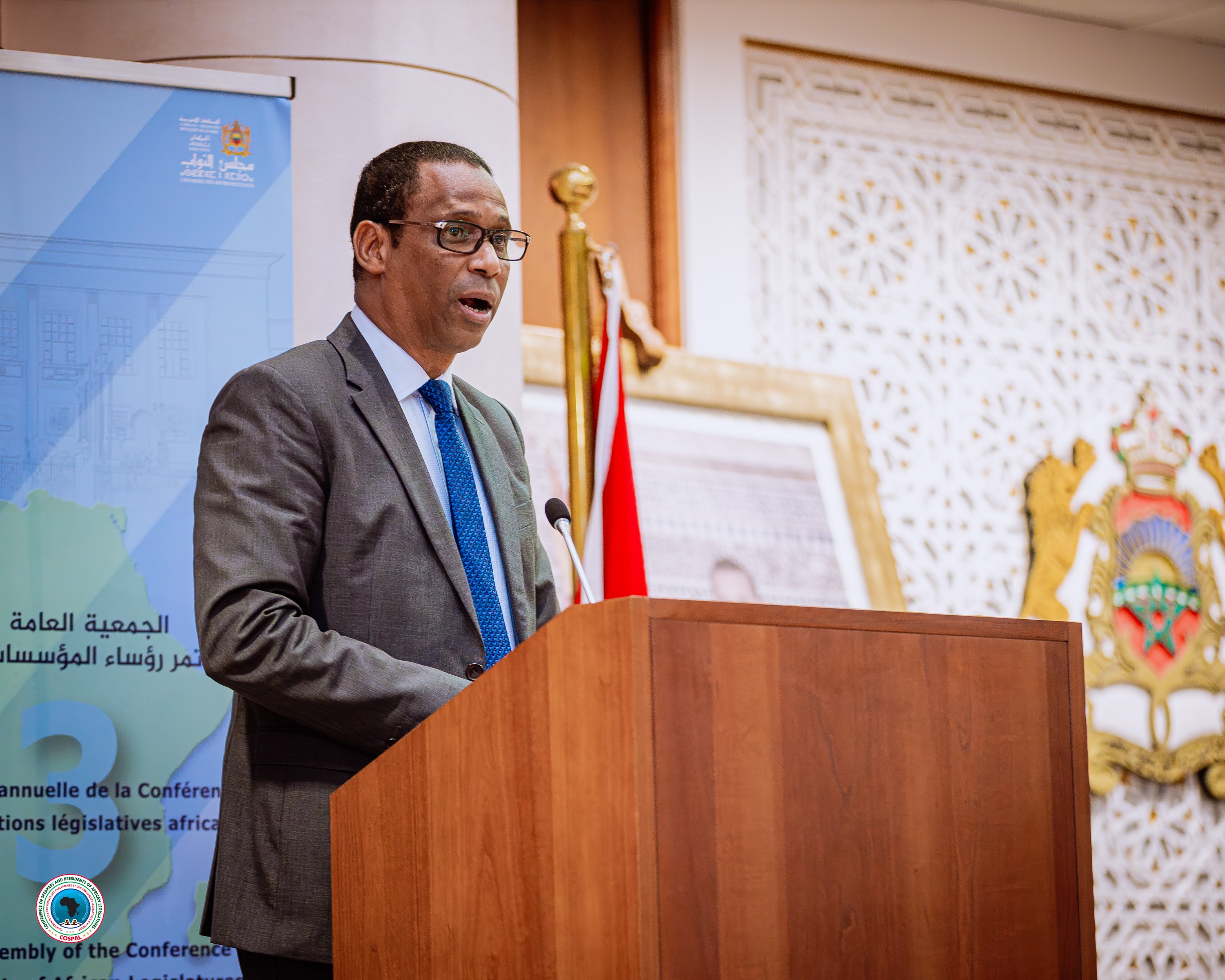
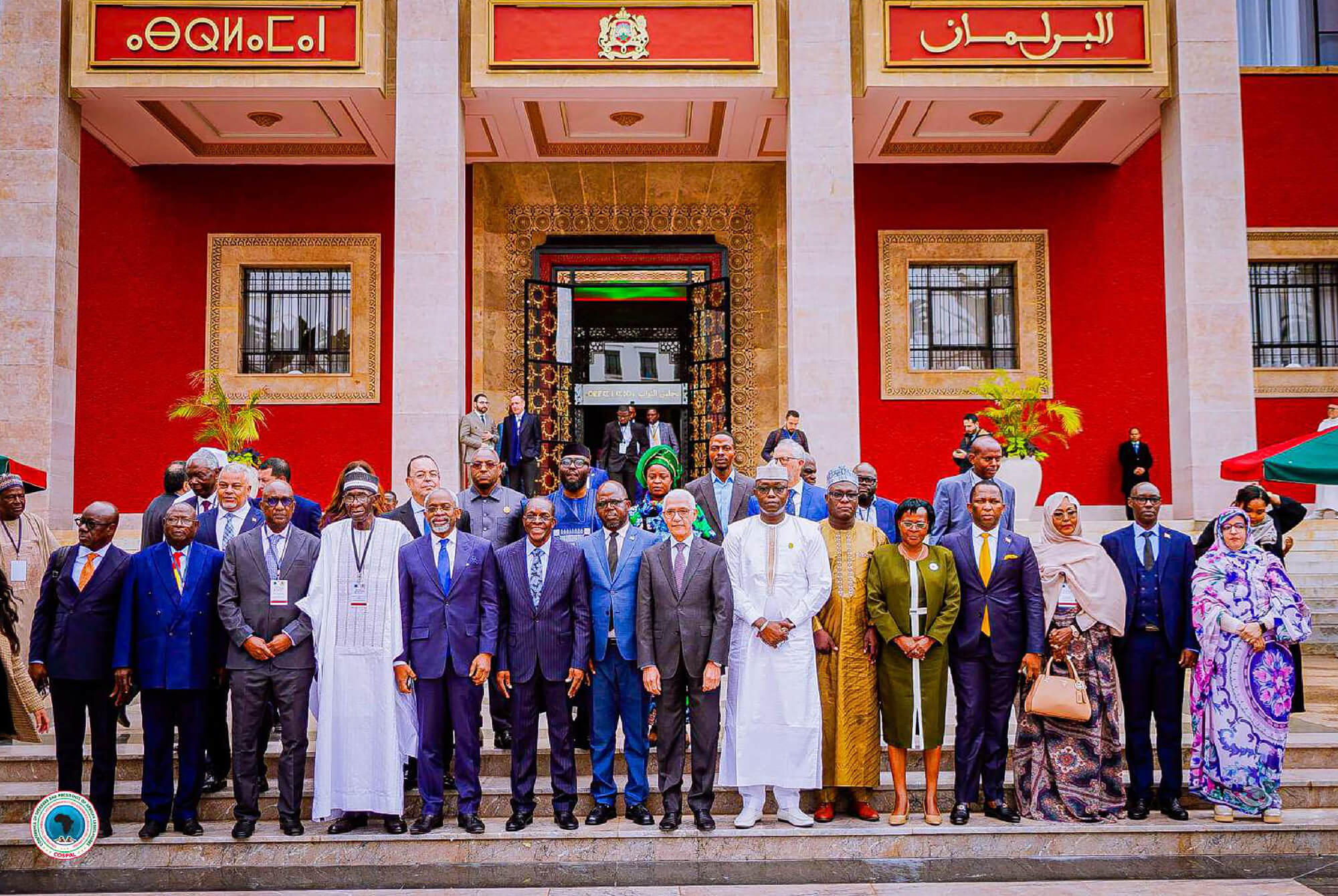
The 3rd General Assembly of the Conference of Speakers and Presidents of African Legislatures, convened in Rabat, Morocco, from 12th to 14th December 2025, stands as a landmark moment in the evolution of legislative leadership and parliamentary diplomacy.
Over three intensive days, legislative leaders from across the continent engaged in substantive dialogue addressing Africa’s most pressing challenges. Through seven high-quality technical presentations, robust General Debate and focused deliberations on institutional matters, delegates demonstrated intellectual rigour, strategic vision and political courage befitting their constitutional responsibilities.
The Assembly produced concrete, actionable outcomes that distinguish it from merely ceremonial gatherings. The signing of the CoSPAL Constitution established an institutional legal foundation for permanent, rules-based continental legislative cooperation. The unanimous adoption of the Rabat Declaration on Legislative Leadership in a Changing Global Order articulated unified African parliamentary commitments across seven strategic domains. The acceptance of Liberia as host of the 4th General Assembly ensures continuity and forward momentum. The agreement in principle to explore regional coordination mechanisms positions CoSPAL for enhanced continental reach.
Perhaps most significantly, the 3rd General Assembly demonstrated that African legislative leaders, despite operating within diverse political systems and facing varied national circumstances, share a fundamental consensus on priorities and strategies. From Rabat to Lagos, Accra to N’Djamena, African Speakers affirmed an unwavering commitment to constitutional democracy, recognition that structural economic transformation requires deliberate legislative action, determination to convert demographic potential into demographic dividend, conviction that parliamentary diplomacy constitutes strategic statecraft and resolve to demand Africa’s equitable representation in reformed global governance.
As African legislative leaders returned to their respective countries, they carried not merely documents but the mandate to prove that parliamentary leadership can indeed transform Africa, that legislative institutions matter profoundly in determining national trajectories and that coordinated African parliamentary action can shape the global order rather than merely react to it.